Gatherings that create impact long after they end
As more of our working lives move onto screens, the time we spend together at in person events has never been more valuable. Here’s how to make it count.
After 25+ years of carefully curating speakers for clients across Canada, I’ve learned to watch the room as much as the stage.
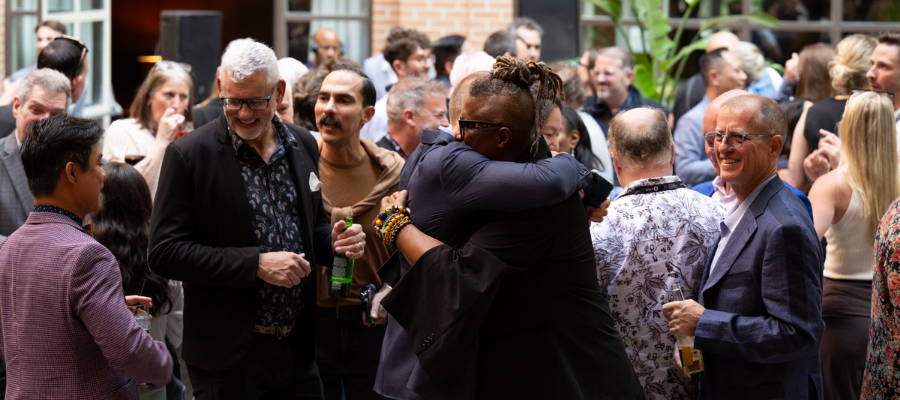
You can feel it when a gathering works, and it starts before anyone walks in. People arrive curious, because the day was built around what matters to them. In the room, they lean in. They talk with the people beside them, trade ideas and test them out together. On the way out, someone turns to a colleague and says, “We need to try that.” The real sign comes a month later, when they actually have.
I believe those moments are about to matter more than ever. So much of our work now happens in our inboxes, on video calls, and increasingly alongside AI tools that can summarize any presentation in seconds. Information is now the easy part.
What’s harder to find is time with other people, quality connections. Time to think out loud together, build trust and leave with the energy to try something new. That’s what a good gathering gives us. The more our work moves online, the more the in person room matters.
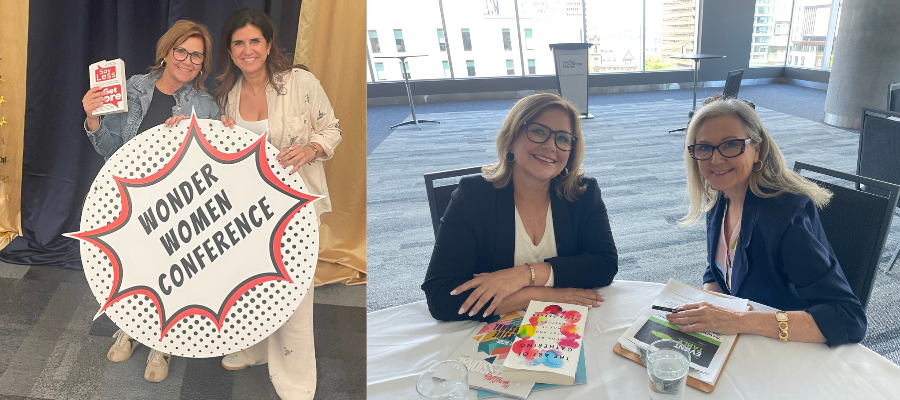
Kimberley King is the founder of LimeLight Group Inc., a Canadian event impact company based in Dartmouth, Nova Scotia.
More than room nights
Here in Halifax/Nova Scotia, we already know meetings are good business. Since opening in 2018-19, the Halifax Convention Centre has hosted nearly 1,000 events, welcomed half a million guests and generated more than $400 million in direct expenditures for the city and province. In 2025-26 alone, it hosted 53 national and international conventions that generated more than $91 million in direct expenditures. Every one of those guests fills hotel rooms, restaurant tables and taxis across the city.
New Canadian research shows those numbers are only part of the story. Over three years, Destination Canada studied 15 international conferences held across the country, including the International Social Innovation Research Conference here in Halifax in 2022. The researchers weren’t just counting hotel rooms. They looked at what each event left behind: new research, new funding, new partnerships, even new policy.
Some of the results are remarkable. In Québec City, a student-led public market alongside the Insects to Feed the World conference drew 12,000 visitors, and local advocacy around the event helped lead the province to officially recognize insects as livestock. In Edmonton, a mayors’ summit held before a climate conference produced the Edmonton Declaration, later signed by 4,500 North American municipalities.
What set those events apart was planning. They engaged their communities early, brought partners to the table, and decided up front what they wanted to leave behind. Destination Canada’s conclusion is simple: impact isn’t accidental. It’s designed.
The same is true for every organization in our region that brings its people together, whether it’s a 2,000 person convention or a 40-person leadership retreat.
It’s natural to measure a gathering by how full the room was. A full room tells us people showed up. It doesn’t tell us what they took home, and that’s where the real return is possible.
Connection is the new content
So what makes a gathering worth the investment today? I have really enjoyed following Julius Solaris, named by BizBash as one of the most influential people in the events industry. He calls the move from content to connection the biggest shift he’s seen. People still come to learn. But more and more, they come for each other: for peer conversations, for belonging, for a break from burnout.
That shift opens up a real opportunity for every audience, and especially for the next generation of leaders.
IMEX’s 25 in 2025 report, drawing on research from Freeman, found that younger professionals often dislike traditional mixers and unstructured receptions, finding them awkward or unproductive. What they want instead is curated connection: introductions with context, structured conversations with purpose, and networking formats that give them something to actually do.
That isn’t a criticism of how we’ve always done things. It’s an opportunity. Most of us plan our events around the agenda because that’s how it’s always been done, and connection gets whatever time is left between sessions.
The keynote is changing too, and as someone who books speakers for a living, I find that exciting. Keynotes aren’t becoming less important, but the format is shifting toward shorter, more interactive experiences. The best speakers today don’t just deliver a talk. They spark a conversation the room keeps having after they leave.
But a shorter keynote doesn’t have to mean less value. Speakers aren’t just part of the event experience. They’re one of the most underutilized strategic resources in the entire process. When invited in early, the right speakers can become co-architects of the event. Many are happy to help activate ideas in the room, by leading a table discussion, joining a lunch conversation or delivering a deeper dive workshop. Many also have tools for after the event, workbooks, short videos, assessments and follow-up sessions that help ideas stick once people are back at work.
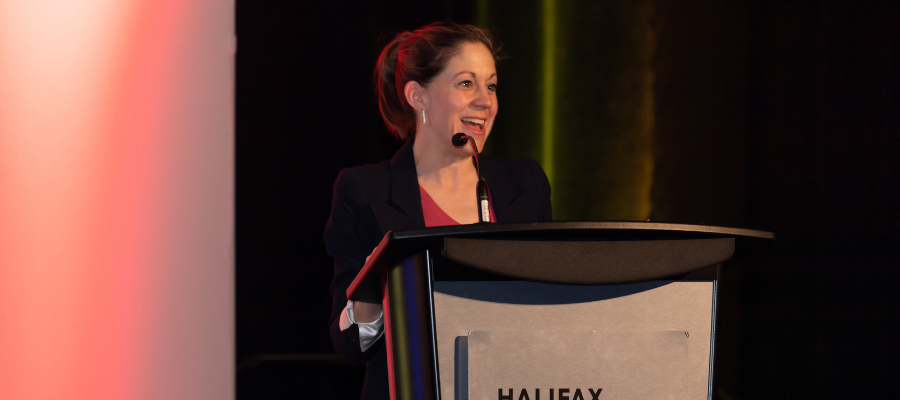
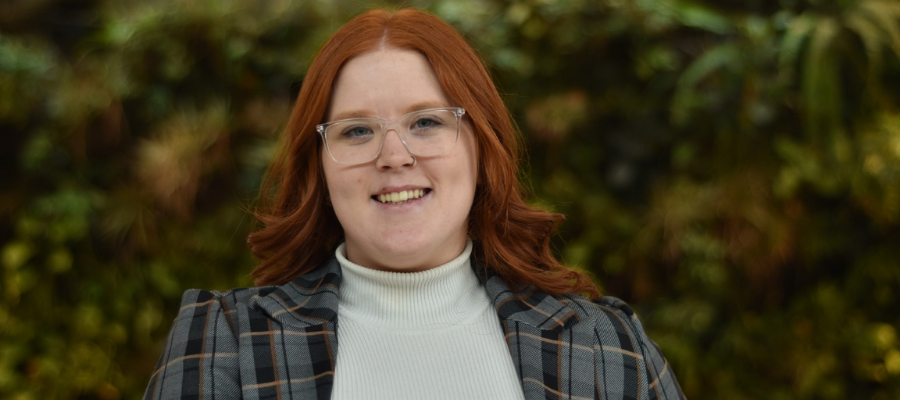
Leah Rimmer is Partner at BoyneClarke and a past Wonder Women keynote speaker. Photo: Lumi Studios
Impact by design: Align- Activate-Amplify
Recently LimeLight Group developed a simple framework to help our clients design gatherings that people can take back to work.
Align. What are you trying to change, build, or celebrate? That process begins with a clear event purpose that gives every other design decision something to serve. Who will be in the room, and what are they wrestling with right now? When we know those answers, we can brief a speaker around real challenges instead of a general topic. We don’t just want to hear from the C-suite. We want input from the audience and stakeholders too. Pre-event pulse checks are powerful!
Activate. This is where the room comes alive. Build in time for people to talk with each other, practise what they’ve just heard and decide where they’ll use it. That might be ten minutes of table conversation after the keynote, a facilitated roundtable, or a speaker who brings the audience into the conversation instead of talking at them. Connection doesn’t have to wait for the coffee break.
Leah Rimmer, Partner at BoyneClarke and a past Wonder Women keynote speaker, suggests giving the audience something to do with a talk right away:
“Working with a speaker in advance to find out the theme of what they are discussing, and then giving participants time to implement some of the ‘nuggets’ at their table afterwards with some small group work, would be effective. Perhaps the facilitator could ask for volunteers to answer a question or questions on what they worked on at their table. Or, depending on the topic, give five to ten minutes for participants to move around the room and work on the skills they have learned about. Networking outside your own table or group is always a bonus.”
Amplify. This is the part that breaks my heart a little when organizations skip it. And many of them do. The real test of an event is what happens 30 days later. Who will help carry the ideas forward? A follow-up conversation at the next team meeting, a short virtual check-in from the speaker, or one simple question to attendees (“What have you tried?”) keeps the momentum going.
Rimmer builds that follow-through into her talks:
“When I present to an audience, I always try to provide a few easy takeaways that will stick with people: concepts that I repeat during a presentation and at the end. A follow-up email explaining these concepts can be helpful in reinforcing what I would want an audience to take away. As an example, I have spoken in the past about not giving away your power in subconscious ways in interactions with people in business (or in life!). An easy takeaway from that talk is that I do not use the word ‘sorry’ ever, unless I am making a genuine apology for something I have done that requires an apology. It makes the word more powerful when I mean it, and I am never apologizing for taking up space in the world, theoretically or physically.”
What it looks like in practice
This June, LimeLight was the Event Impact Partner for the Halifax Chamber of Commerce’s Wonder Women conference.
Before the conference, we sent attendees a short pulse-check survey. It gave us a clear picture of who would be in the room and what was on their minds walking in. Fotini Iconomopoulos, keynote speaker at this year’s Wonder Women conference, has seen what this looks like from the stage:
“When clients survey attendees before an event, asking what frustrates them and what they love about their work, it’s incredible focus group feedback. I can diagnose the problems in their words and get surgical about customizing my content. When I put their quotes on screen, the rooms light up. I am speaking their language.”
During the day, attendees wrote a postcard to themselves under a simple heading: “What if everything works out exactly as you wanted?” After the event, the Chamber mailed the postcards home.
It’s a small idea. But picture it: weeks later, in the middle of an ordinary workday, you open your mailbox and find your own handwriting, full of hope and intention, reminding you what you decided in that room. That’s Amplify. The conference has impact after the event.
Wonder Women returns in April 2027. With more time to plan, I’m excited about what’s possible when a gathering like this is designed from the very beginning around what people take home: more time to connect, more chances to practise, and more ways to keep the conversation going.
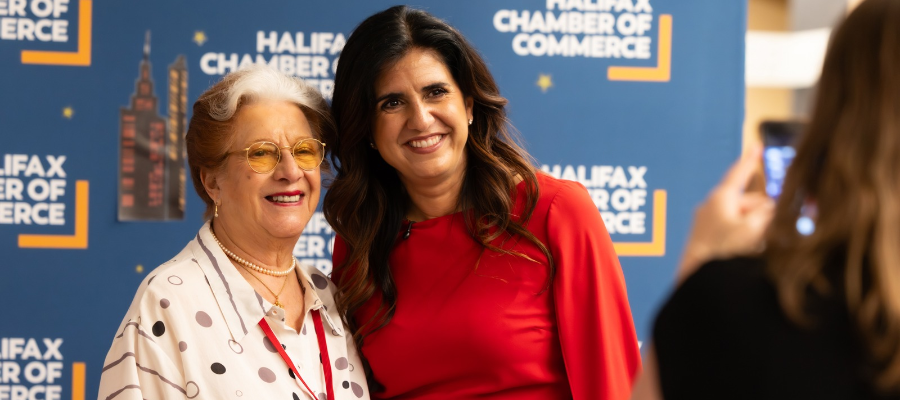
Fotini Iconomopoulos was keynote speaker for Wonder Women 2026. Photo: kelly clark fotography
Three questions for your next gathering
Whether you’re planning an annual conference, a staff retreat or a client evening, three questions can change what people take home:
1. What should people leave ready to do?
2. How will they make connections and try out new ideas during the event?
3. Who will help carry it forward afterward?
Ask them early, before the venue is booked and before the speaker is chosen, and you’ll make different decisions.
Our region is exceptional at bringing people together. We have the venues, the maritime hospitality and the incredible warmth visitors talk about long after they’ve gone home. The next step is making sure every gathering, big or small, leaves something behind that lasts.
Impact doesn’t happen by accident. It happens by design. And it starts long before anyone walks into the room.
–
Kimberley King is the founder of LimeLight Group Inc., a Canadian event company based in Dartmouth, Nova Scotia. They work with forward-thinking associations and corporate clients to create purposeful, speaker-led experiences that align audiences, activate ideas and amplify results.