
Unlocking new opportunities for women in the Global South by linking cultural heritage to global markets, protecting IP, and fostering entrepreneurship.
The current trend of women’s economic empowerment has become an urgent priority in global development. Across the Global South, women contribute significantly to agriculture, handicrafts, cultural production, tourism, creative industries, and small enterprises, yet many remain excluded from formal markets, decision-making, finance, technology, and global value chains. These structural inequalities limit not only women’s economic opportunities but also their ability to control, preserve, and benefit from their cultural knowledge to be empowered.
Digital trade offers an important opportunity to address these challenges. By connecting women producers directly with consumers and international markets, digital platforms can reduce geographical barriers, improve market access, and create new forms of entrepreneurship to restrict middlemen.
However, digital trade should not simply reproduce existing inequalities. To become genuinely transformative, it must recognize women as owners, innovators, cultural custodians, and decision-makers to protect cultural rights for empowerment. Debatably, Cultural Rights are essential for dignity, personal fulfillment, and social cohesion for cultural empowerment.
This is particularly important in the Global South, where Intangible Cultural Heritage remains deeply connected to local livelihoods for natural stewardship and intangible heritage preservation.
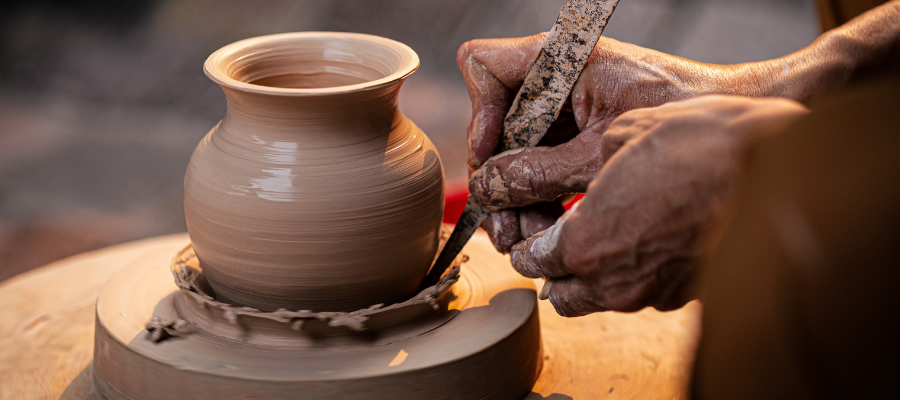
Intangible Cultural Heritage includes practices, representations, expressions, knowledge, and skills that communities recognize as part of their cultural heritage. Women are often central to the transmission and continuation of these practices, particularly in traditional crafts, textiles, food production, performing arts, and community-based cultural activities.
By recognizing intangible cultural heritage as a valuable economic asset and strengthening protections for Indigenous and local intellectual property rights, digital platforms can create new pathways for women’s cultural empowerment (economic, psychological, social and political).
Arguably, local artisans often receive limited financial returns because intermediaries control significant parts of the value chain. Producers may have little influence over pricing, branding, intellectual property, and international market access. Digital trade can help change this structure by shortening value chains to ensure multidimensional empowerment.
To address these challenges, Women Cultural Empowerment International Association (WCEIA) is persuaded to develop a digital marketplace to transform women from invisible producers into visible entrepreneurs, from participants into decision-makers, and from beneficiaries of development into active architects of their own futures by providing copyright to ensure cultural empowerment for collective action.
Learn more about Women Cultural Empowerment International at:
wceia.org